GNSS-denied navigation module

The sky lies
Fly anyway

Octant is a bolt-on navigation module that keeps a small uncrewed aircraft on mission when GNSS is jammed, spoofed, or gone. It computes position onboard from what its cameras see — emitting nothing, depending on nothing, and declaring the moment its own fix degrades.

Request a briefingWatch the demo
Operational scene: a small uncrewed aircraft with the Octant module flies through a GNSS-jammed corridor at night; ground jammers radiate denial zones while the aircraft holds an amber navigation track
FIG. 01 — TRANSIT THROUGH A DENIED CORRIDORRED — GNSS DENIAL  AMBER — OCTANT TRACK
01

The module

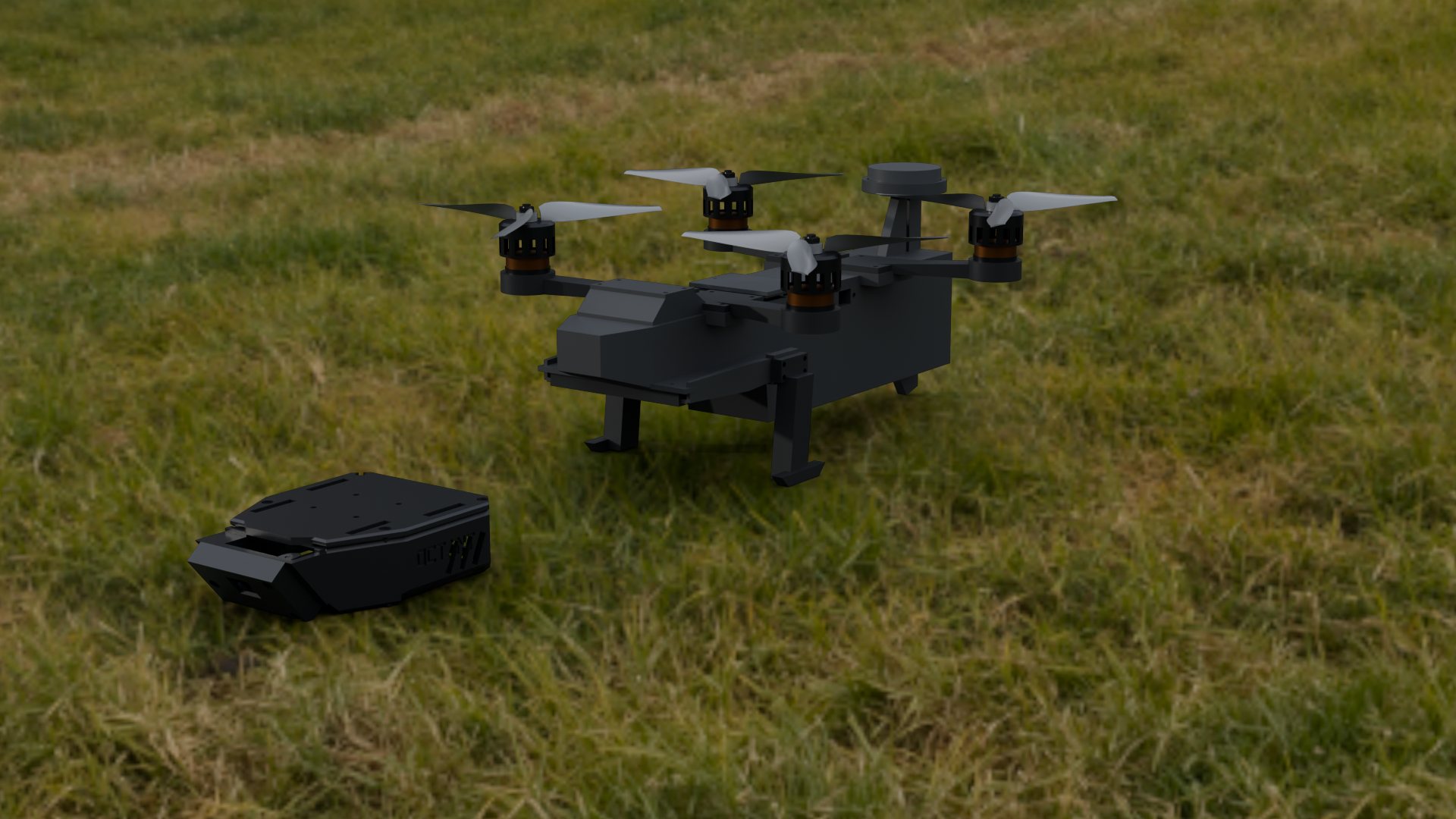
One sealed unit on the belly of the aircraft: a global-shutter camera, an inertial unit, and a mission computer. It watches the ground move past, measures the aircraft’s own motion, and solves position continuously — the way a pilot does, with instruments instead of satellites.
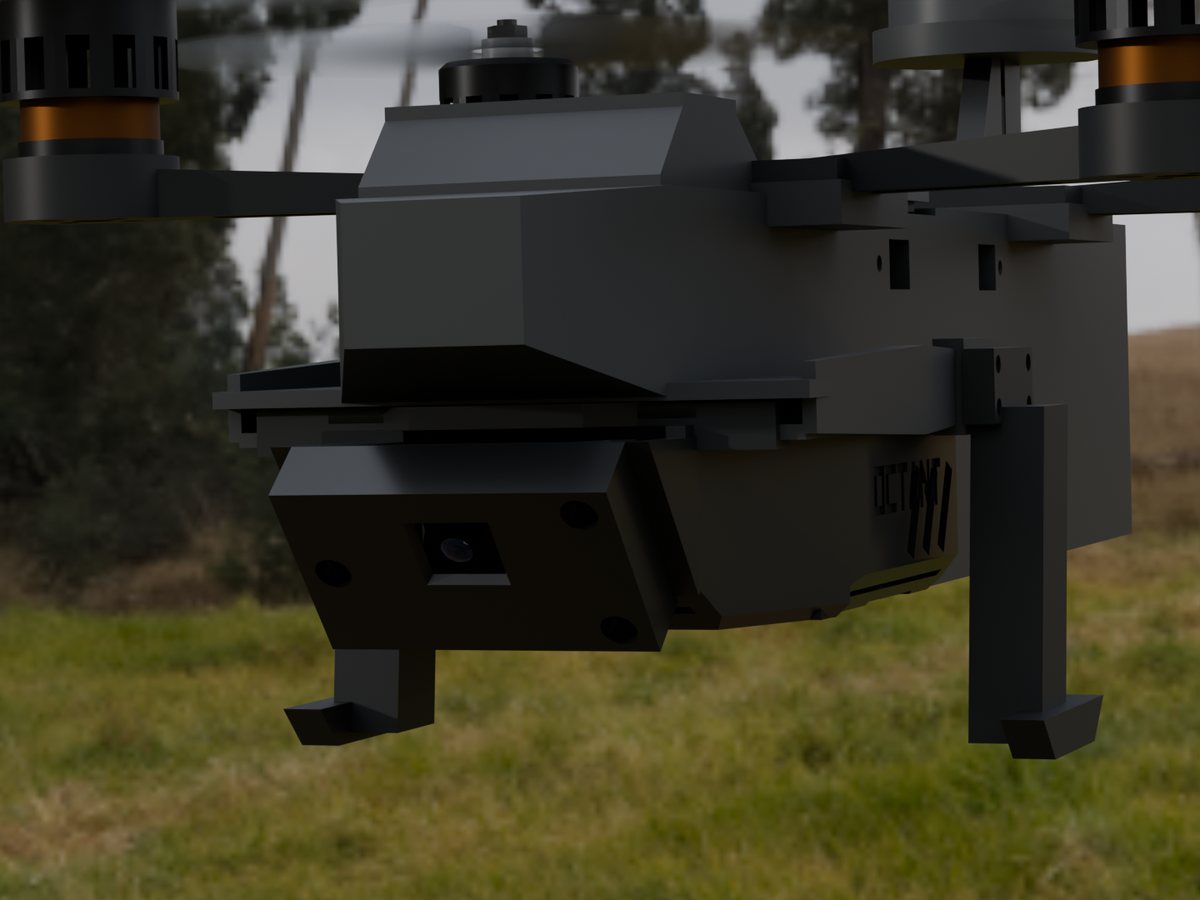
Concept render of the Octant module: sealed housing, camera aperture, amber status indicator

Sees, instead of listens

Passive vision plus inertial sensing. No RF received, none transmitted — nothing to find, jam, or spoof.

Solves position onboard

The fix is computed on the module itself and fed to the autopilot as a standard position stream. PX4, ArduPilot, Cube-class stacks — no rework of your aircraft.

Declares its own confidence

Every fix carries a live trust measure. If the estimate degrades, the aircraft knows — and executes a defined action instead of drifting on a lie.

Sized for small aircraft

Light, low-power, low-cost, no GPU. Built for sub-25 kg platforms — inspection, survey and delivery fleets as much as defence — at a price that matches the aircraft.
02

How it fights the jam

STEP 01

See

The camera tracks hundreds of ground features as they stream past; the inertial unit measures every acceleration and turn.

STEP 02

Solve

Vision and motion are fused into a continuous position, velocity, and heading — computed entirely onboard, satellites not consulted.

STEP 03

Verify

The estimate is audited in real time. Degrading confidence triggers a defined response: hold, reroute, return, or land.

STEP 04

Feed

The autopilot receives the fix exactly as it would GNSS. Your aircraft flies its mission; it never knows the satellites left.

SEE IT RUN · MISSION DEMO — a simulated sortie with GNSS off, on Octant’s own estimate, confidence declared throughout
03

On your airframe

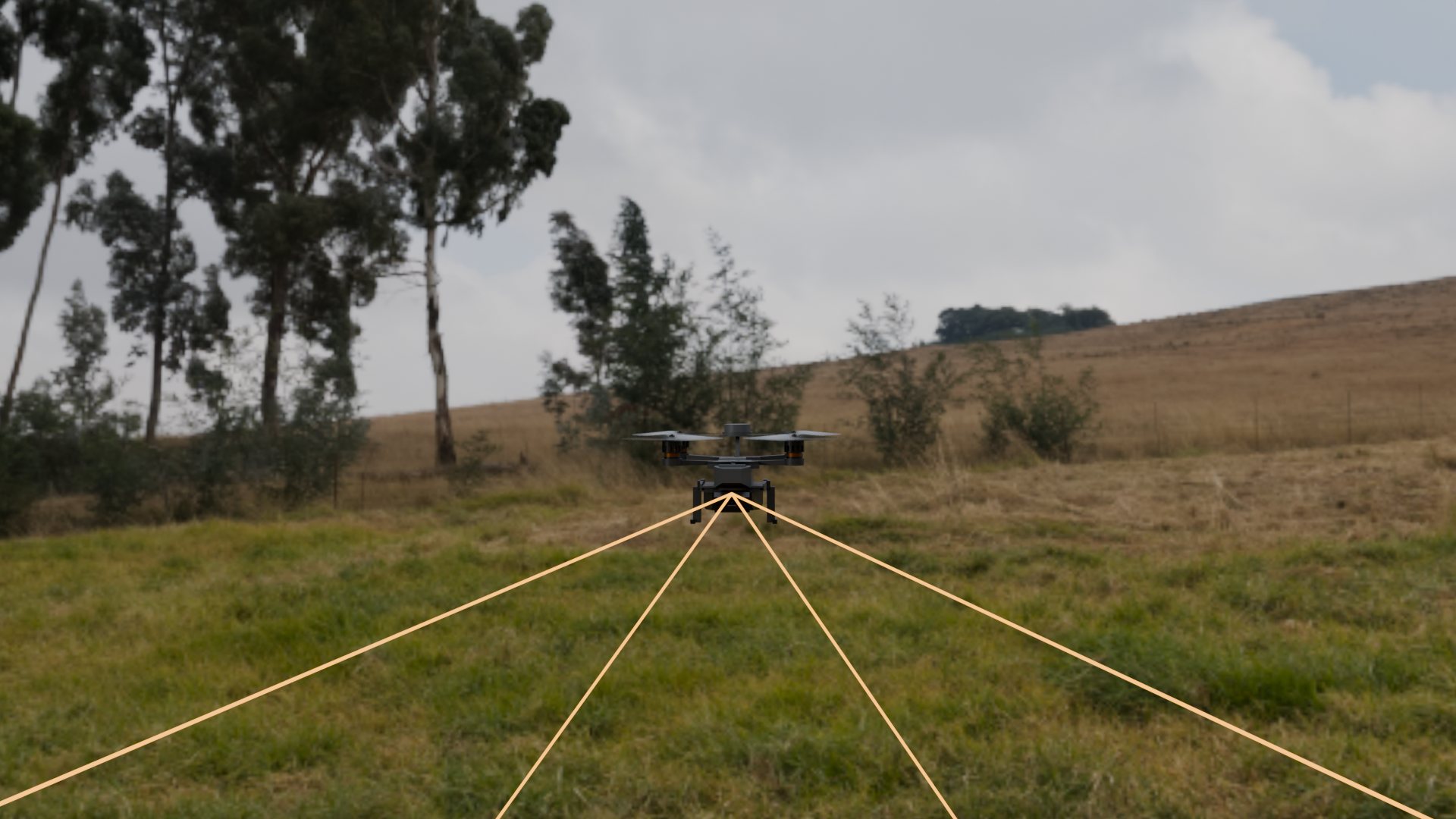
Octant is a payload, not a platform. It mounts to the belly rail of the aircraft you already operate and integrates in a day over a single connector.

Side profile of a small quadcopter with the Octant module mounted on its belly, with engineering callouts
INTEGRATION · ABOUT A DAYINTERFACE · STANDARD AUTOPILOT LINKAIRFRAME MODS · NONE
04

Restricted data

The numbers are earned
Most stay behind the line

Two results are public because they are measured on open data: the estimator’s drift on the EuRoC benchmark, and its frame time on an £80 CPU. Flight envelope, endurance and accuracy on the platform you intend to fly are disclosed to qualified UK partners under NDA.

Datasheet · OctantRESTRICTED
Benchmark drift · EuRoC MH_010.080 m ATE · 0.10 %
ComputeCPU Only · no GPU
Position accuracy in flight
Mass / power
Mission envelope
Sensor suite
Counter-spoof method
RELEASED UNDER NDA — REQUEST A BRIEFING

Lose the satellites
Keep the mission

For UK integrators and platform builders, defence and civil, who need aircraft that keep flying when GNSS can no longer be trusted.

Request a briefingjonathan@apricotstudio.co